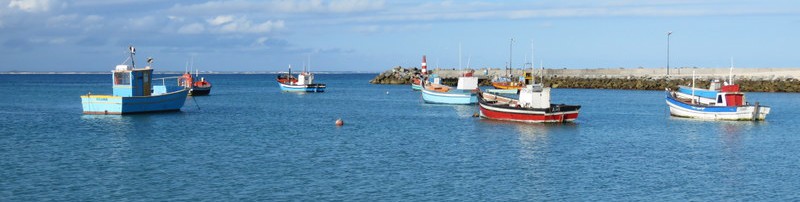
One of my favourite spots to visit in Cape Town is the False Bay Ecology Park. I have been there twice in the past seven days and have included photos from both visits in this blog.
This afternoon Earl and I were accompanied by two friends, Cheryl and Dot. The latter is a beginner and after we’d met up with some others girls at our monthly breakfast club, she asked if I would take her bird watching. Cheryl was also able to come along so I persuaded Hubby to drive us, picked them up at Cheryl’s home and we headed to our favourite spot.
The weather at this time year is chilly but also changeable so we were not too sure what we might see. Last Sunday there was very little but today was more productive although it was cold and windy.

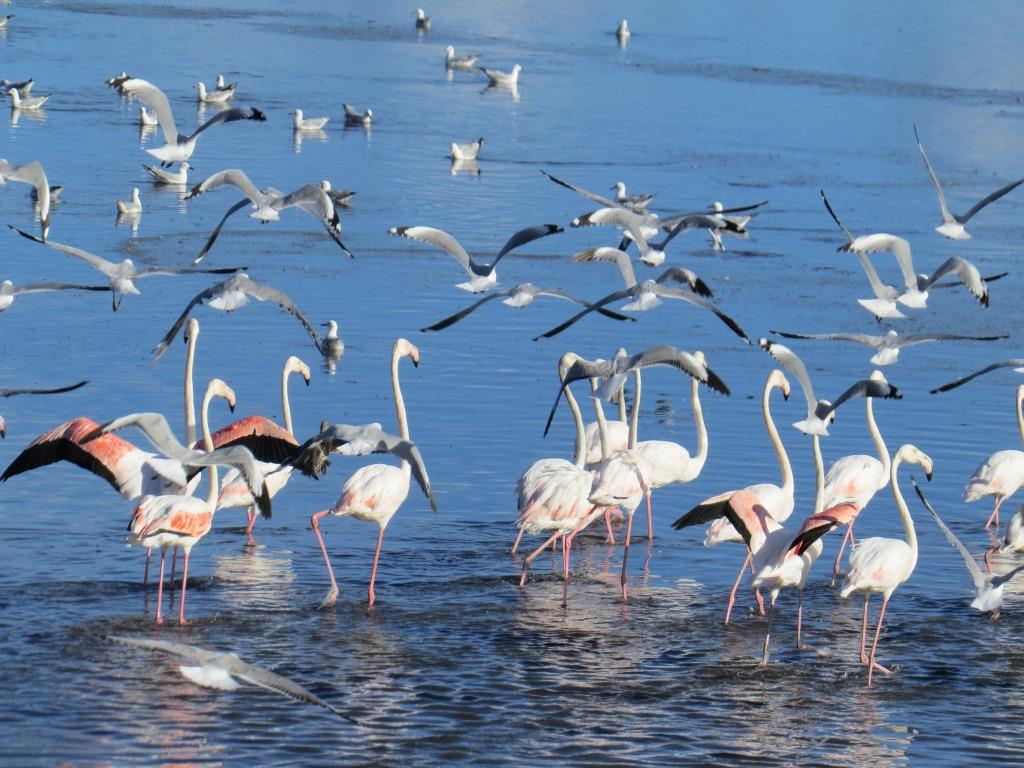
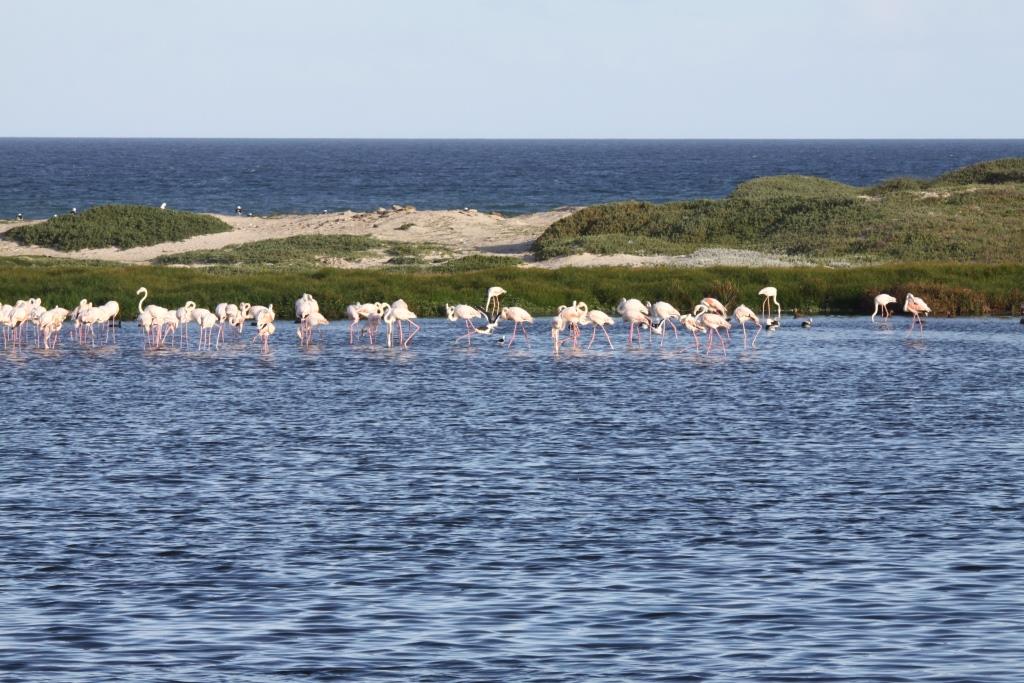
Ever present are the beautiful Greater Flamingos


The pelicans were chilling on a distant bank.

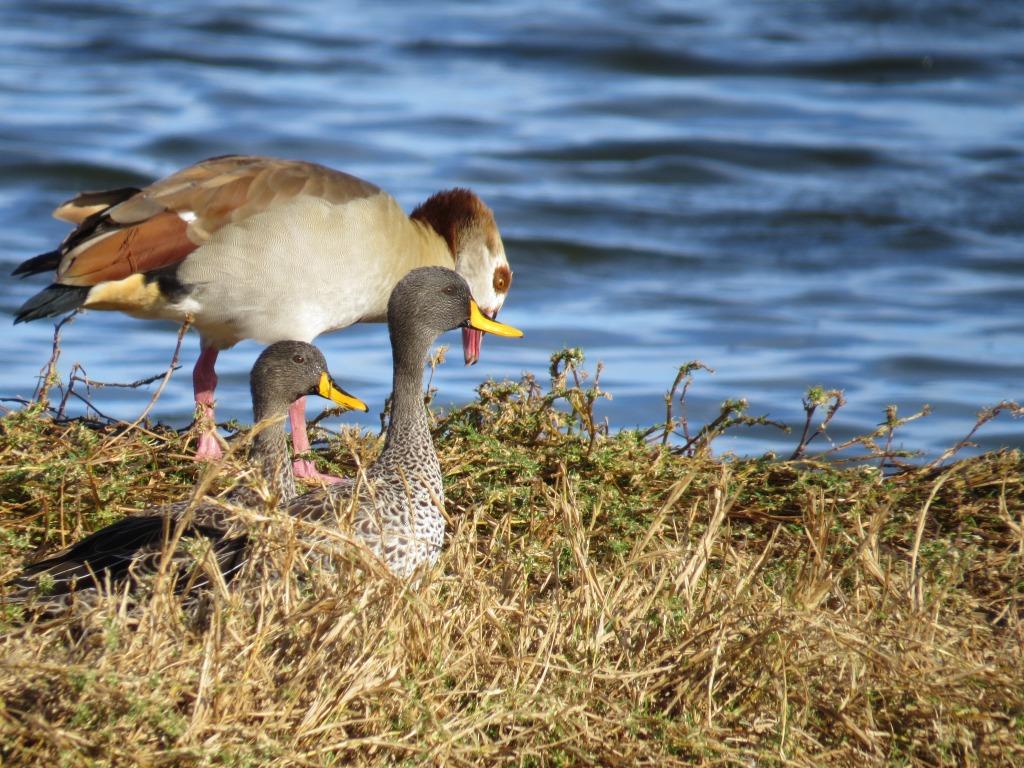
My favourite ducks – they’re so photogenic

Cape shovellers taking to the water – all male except the one with the brown eye

A patient black-headed heron in the water

and out

A pretty little Black-winged Stilt

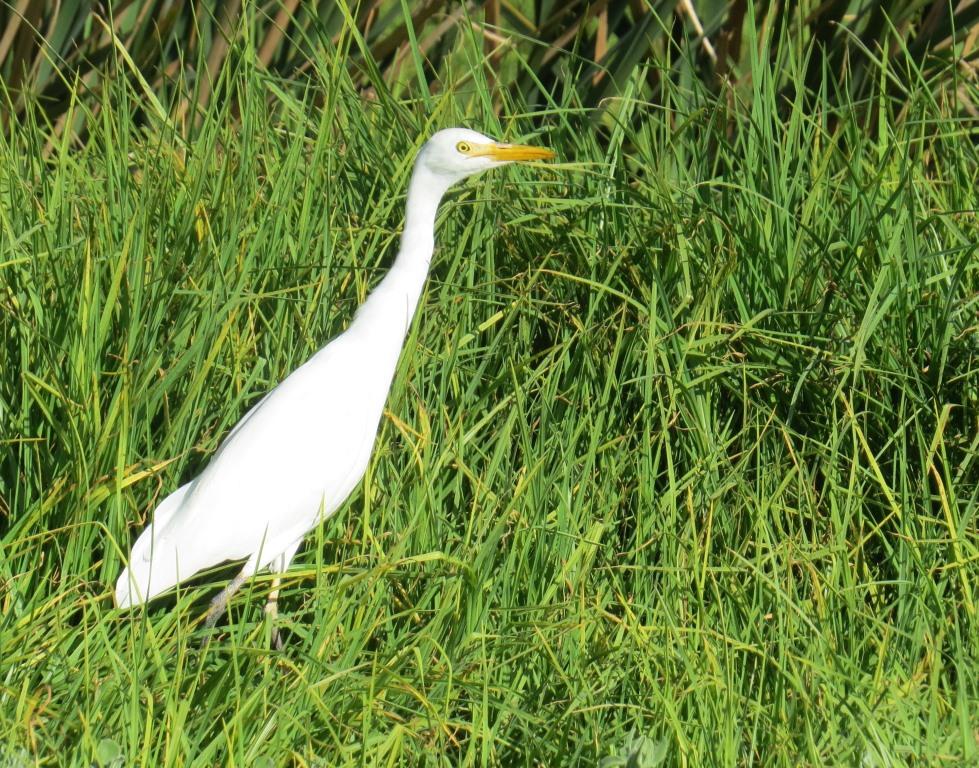
A Little Egret skulking in the reeds

A small flotilla of Little Grebe (Dabchicks)
Here is a picture from last Sunday’s visit – a malachite kingfisher

An active, tiny bird – finally settled for a reasonable shot

A silly moorhen impersonating a songbird!

An African Pipit looking handsome
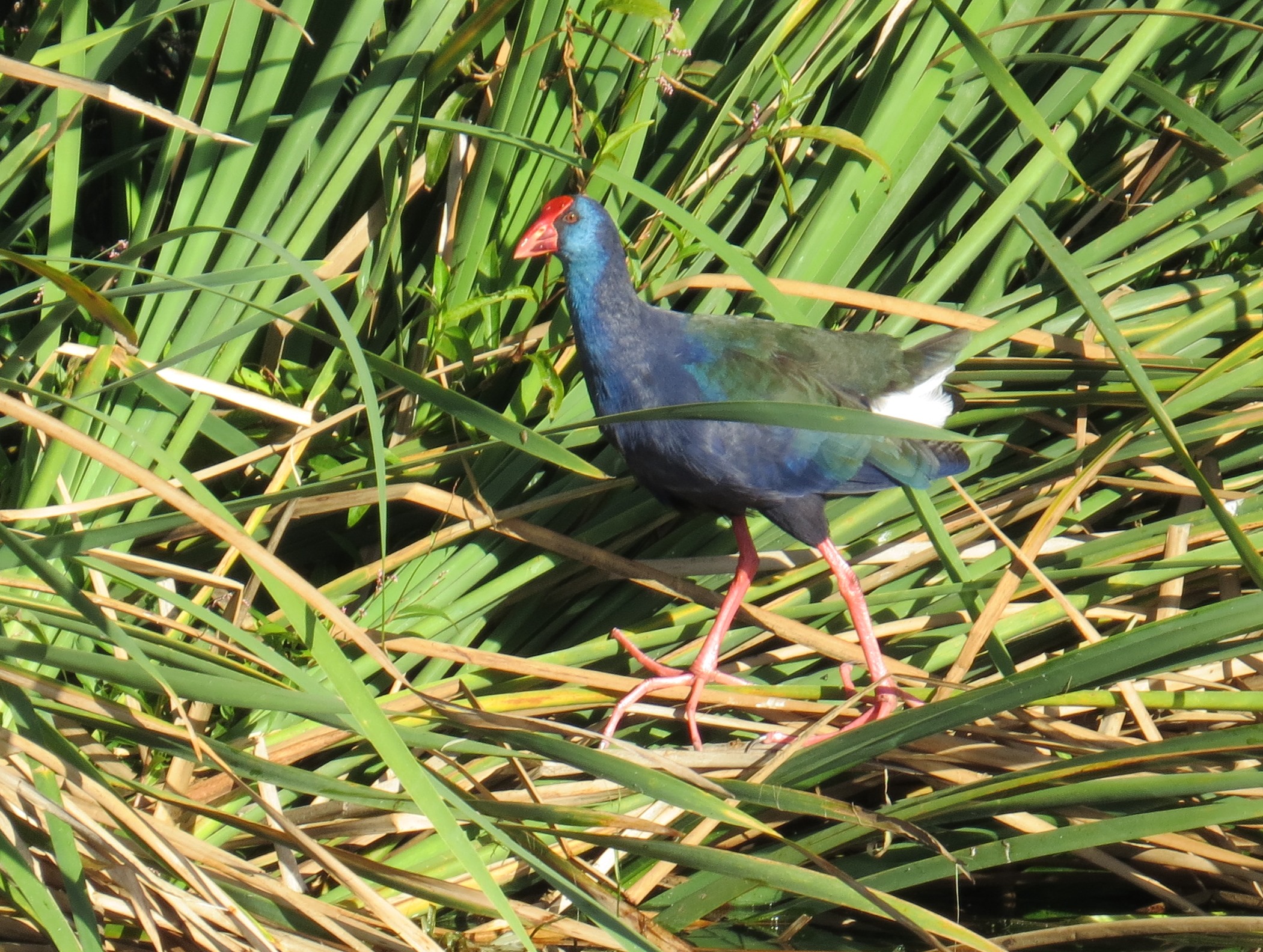
The purple swamphen (gallinule) is common at FBEP but tends to be elusive in the reeds. I am usually lucky and almost every time I visit I see at least one. Dot was very keen to get to see this lovely bird and I promised her we would. She missed the first one which was a bit far off and then decided to disappear before we could focus her attention to it. The second one was also hiding but Earl moved the car and we all got an excellent view of him showing off his very long and wide spread toes.

First glimpse of the colourful bird

Climbing up the reeds

Higher – Look at those toes!
Because of the very windy conditions many species of bird were congregated on Pond P2 which was slightly more sheltered. There were hundreds of yellow-billed duck, Cape shovellers, sacred ibis, stilts, avocets, Egytian Geese and Spur-winged geese amongst others.

Spur-winged goose with Sacred Ibis
While we were watching the frantic activity of the birds Dot called our attention to a small bird of prey flying at great speed and scattering a flock of common starling. It was a flash of rufous dashing just above the reeds – too fast for us to track. But then we saw it perched in a tree. Waving reeds make it difficult to focus unless you have a really fancy camera so Earl’s resulting pics were not particularly clear. Here is the best one from a bad bunch of a rufous-chested sparrowhawk.

An uncommon sighting at the best of times and the first time we’ve seen one here. A wonderful way to end our visit!







 Diary of an Adventurous Retiree