1

An Adventure Abroad – In Flanders Fields The Poppies Blow

In Flanders Field

The poppy seed can lay dormant in undisturbed soil for many years but the minute the soil becomes disturbed it is the first flower to grow up quickly and bloom.  This is what happened after everything was destroyed on many of the battle fields.  I quote one of the most beautiful war poems written by Lieutenant Colonel John Mc Crae, a surgeon attached to the 1st Field Artillery Brigade.  He spent seventeen dreadful days treating injured men in the Ypres salient. The death of his young friend and former student, Lieut. Alexis Helmer had a particular effect upon him.  There was no chaplain present so the doctor conducted the funeral ceremony himself.   The next day, sitting on the back of an ambulance. he looked out and saw the poppies blowing in the nearby cemetery and he penned this famous and apt poem.

In Flanders Fields the poppies blow
Between the crosses row on row,
That mark our place; and in the sky
The larks, still bravely singing, fly
Scarce heard amid the guns below.

We are the Dead.    Short days ago
We lived, felt dawn, saw sunset glow,
Loved and were loved, and now we lie
In Flanders fields.

Take up our quarrel with the foe:
To you from failing hands we throw
The torch; be yours to hold it high.
If ye break faith with us who die
We shall not sleep, though poppies grow
In Flanders fields.

Ypres – Menen Gate Memorial
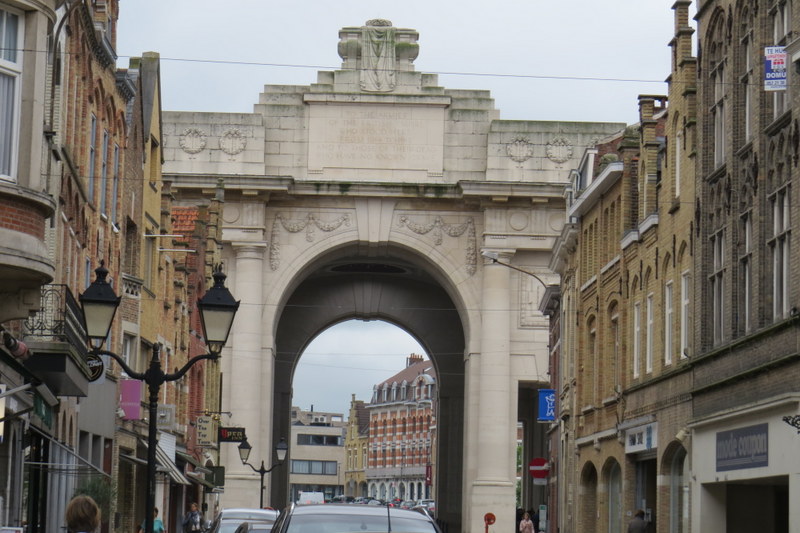
Menen Gate Memorial

Menen Gate Memorial

Today Nicholas and I travelled to Ypres in Belgium and visited the Menen Gate Memorial which commemorates over 7500 missing in the Flanders Sector. Every soldier who fought there marched through the original gate which stood where the memorial stands now.  At 8 o’clock every evening the traffic is stopped by a group of firemen who play the last post which is followed by a 2 minute silence.  This has been a solemn practice since the Memorial was built.  When the Germans invaded the town during World War Two, the trumpets were buried.  When the Germans left they dug them up and the practice began again.

The Cloth Hall
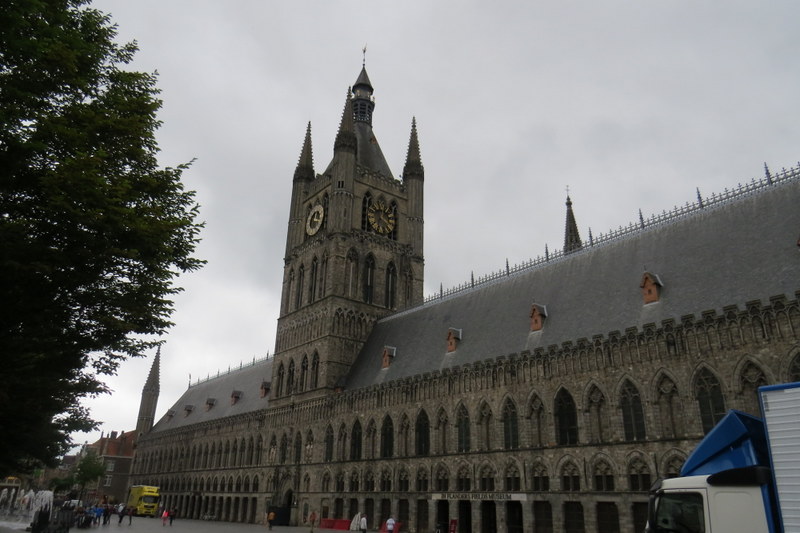
Iconic Building - Mediaeval Cloth Hall

Iconic Building – Mediaeval Cloth Hall

 All the buildings were destroyed during World War 1 but with German reparation the town was rebuilt during the 1920s. One such building was the Mediaeval Cloth Hall above.

St George’s Memorial Church
IMG_0051

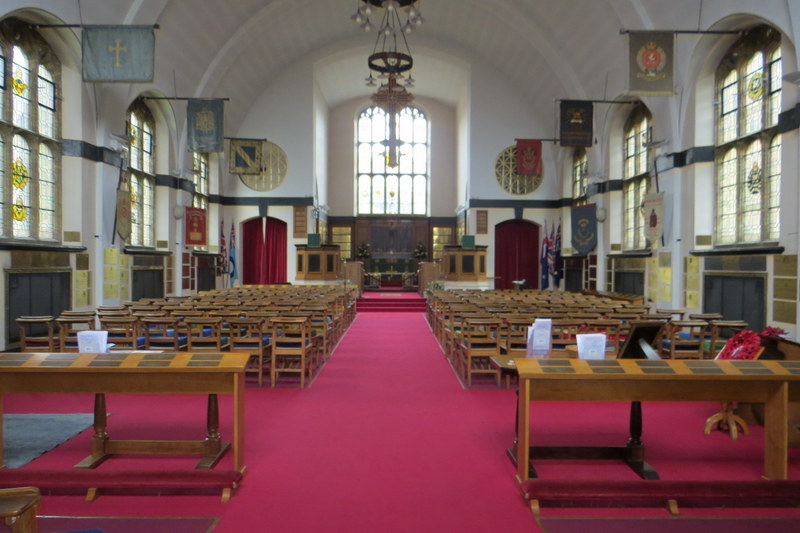
St George’s Memorial Church

St George’s Memorial Church was opened in the 1920s to provide a place of worship for the many English gardeners who came to live in Ypres to care for the war cemeteries.   It is filled with memorials to men who paid the extreme sacrifice.

One of the newest memorials is to the soldier who murdered in London by extremists

A memorial to Lee Rigby, Soldier and Drummer who was so senselessly murdered by extremists in London.

Ypres today

Town Square

Town Square

The city of Ypres has a wonderful vibe.  The people are friendly and we communicated with them quite adequately in Afrikaans.   Those of my readers who know me will understand when I say – the coffee is to die for!  Yes it was expensive but each cup comes with a chocolate or a biscuit – and I will gladly pay for a really good cup of hot, strong and black coffee!
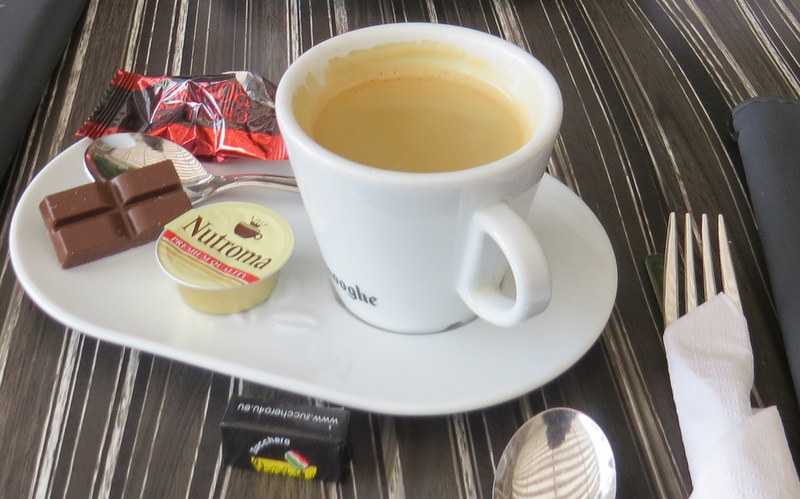
The Best Coffee

The Best Coffee

I felt quite special having my coffee served to me so stylishly.
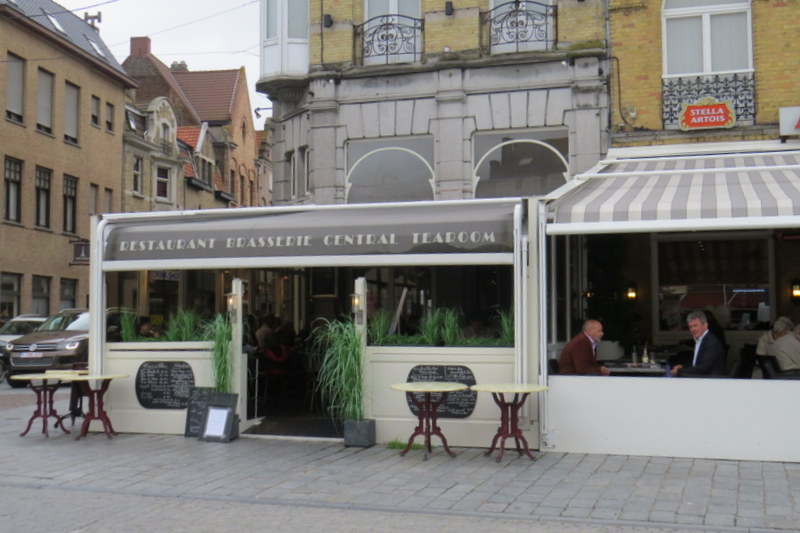
This was where we first had coffee and apple or cherry pie and later lunch.

This was where we first had coffee and apple or cherry pie and later lunch.

IMG_0087

Soup for me ham baguette for Nick

In Flanders Field Museum
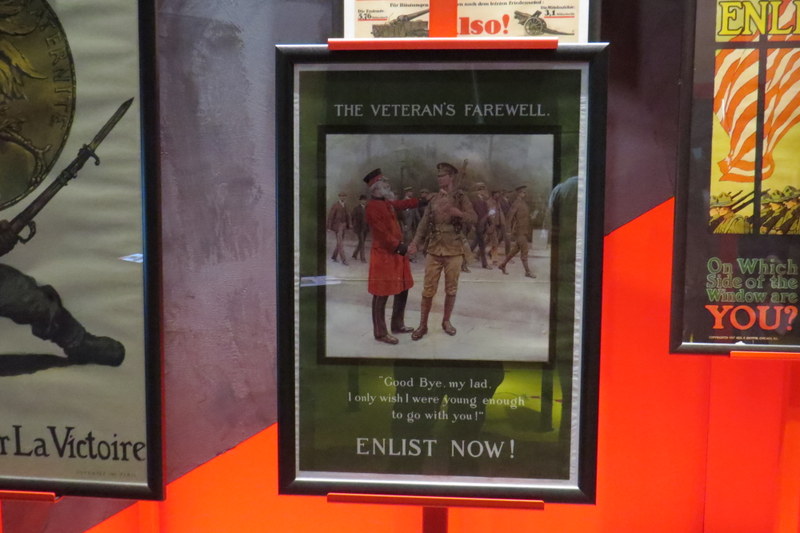
A Call Up Poster

A Call Up Poster

New to Ypres is  In Flander’s Field  Museum.   It occupies the second floor of The Cloth Hall.  I found the exhibits moving and there was no glorification of war.  Rather one was shown both sides of the story. There were videos and hologram presentations that told movingly told the real story of war.

 War Cemeteries

Calais Southern Cemetery

Calais Southern Cemetery

Nicholas and I reluctantly left Ypres to complete the last part of our Battlefield Tour.   We have a great-uncle buried in the Calais Southern Cemetery.   Nicholas explained to me how all the Commonwealth War Cemeteries were constructed. The Commonwealth War Graves Commission was established in 1917 and this is what they decided to do about fallen soldiers.

  • They used the services of the great architects of the time – Sir Reginald Blomfield, Sir Edward Lutyens and Sir Herbert Baker as well as Gertrude Jekyll, a prominent landscape gardener – to design the cemeteries of World War One.
  • Each grave has a uniform headstone with the regiment badge on top, a religious symbol e.g. cross or star of David, or none at all.  At the bottom the family could if they wished have an inscription added.
  • Those fallen had to be buried where they fell.
  • The cemeteries were from the outset intended to be democratic and non sectarian.
  • Each cemetery has a War Cross and a War Stone in the shape of an alter.
  • Kipling chose the inscription on the war stone and it is taken from the book of Ecclesiasticus Chapter 44 – Their name liveth forevermore.
The Jews put stones on their graves as they represent an altar

The Jews put stones on their graves as an altar is a pile of stones and this represents a sacrifice to God.

Great-Uncle William Kenney fought in Rouen on The Somme.   He was wounded and treated in the Casualty Clearing Station then transferred to a hospital train en route to The Fifth South African Military Hospital in Surrey, England. Because he became so ill on the train he was taken off at Calais and transferred to the Red Cross Hospital where he later died.  He is the only South African buried in the Calais Southern Cemetery.  Nicholas and I feel privileged that we have been able to visit his grave. His mother and sister (our grandmother) never had the opportunity.
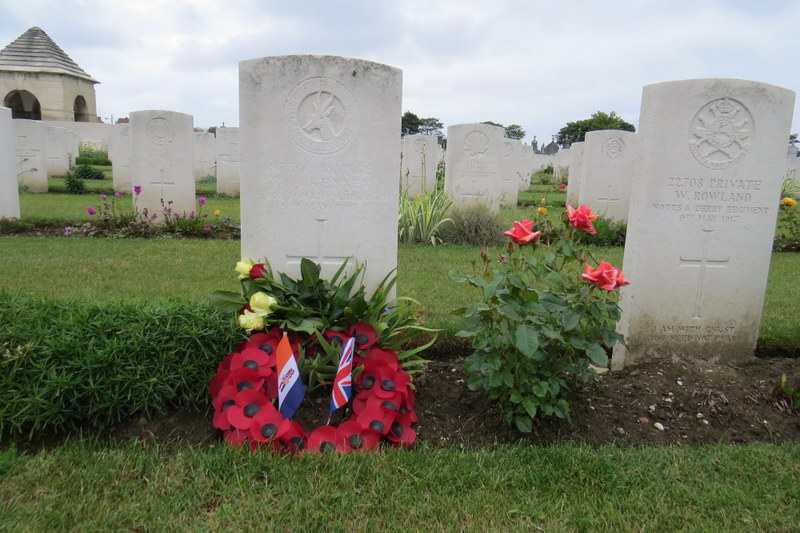
Nicholas laid a wreath and I flowers on Uncle WIlliam's grave.

Nicholas laid a wreath and I flowers on Uncle WIlliam’s grave.

Ferry Crossing to Dover

We had a luxurious crossing in the Club Class lounge on a modern ferry leaving at 8:30 p.m.   I felt so posh being served with a complimentary glass of champagne and snacks from the bar.  There was no queueing for food but a menu presented and delicious food ordered.  Coffee was on the house.  We had newspapers to read and not rowdy children or teenagers to disturb our peace!

On the way over I did not get to see The White Cliffs of Dover but this time the sun came out specially and showed me a good view of them.  After visiting war memorials the words of Vera Lynn rang in my head.

There’ll be bluebirds over
The white cliffs of Dover,
Tomorrow, just you wait and see.

I’ll never forget the people I met
braving those angry sky’s
I remember well as the shadows fell
the light of hope in thier eyes
and though I’m far away I still can hear them say
Sun’s up 
for when the dawn comes up

There’ll be bluebirds over
The white cliffs of Dover,
Tomorrow, just you wait and see.

There’ll be love and laughter
And peace ever after.
Tomorrow, when the world is free

The shepherd will tend his sheep.
The valley will bloom again.
And Jimmy will go to sleep
In his own little room again.

There’ll be bluebirds over
The white cliffs of Dover,
Tomorrow, just you wait and see.
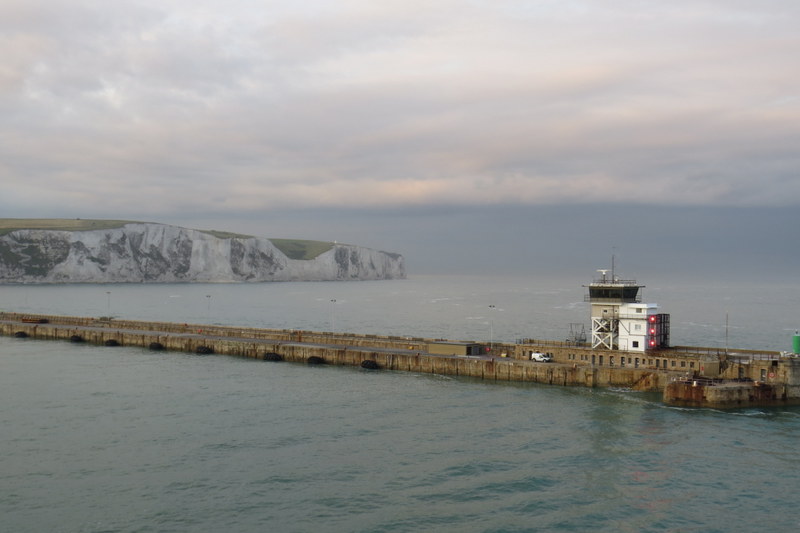
IMG_0156

IMG_0148

Oh yes – Our World is Free!  Let us hope that the lessons of the past learned through these memorials and stories can keep us free forever.
4

An Adventure Abroad – Exploring The Great War

My brother is passionate about all things historic but his great passion is the Two World Wars.  To have him as my own personal guide has indeed been a privilege.  He knows the intimate details of the battles and the regiments that fought them.   He expounds upon them with enthusiasm and makes it all come alive.   I have found myself quite moved by many of the stories and it has been an incredible experience to actually walk in the trenches where those young men bravely fought for to save us from oppression.

“Theirs was not to reason why theirs was just to do and die!” (Alfred Tennyson – Charge of the Light Brigade)

Millions of young men sacrificed – I fail to take it in.

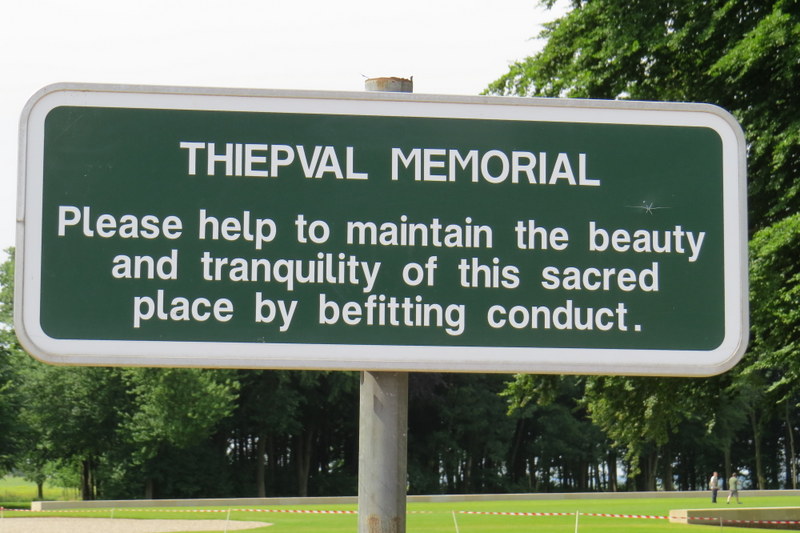
We went back to Thiepval Memorial today and I watched a video which nicely explained everything about the Battle of The Somme. We then went to have a close look at the Memorial and found the names of the soldiers, who fought and died with Reginald Lack (Nicholas has his portrait)

No Toy-toying allowed.

No Toy-toying allowed.

IMG_9856

I found the name of a missing soldier named J.E. Fenwick.

We found the names of Wright and Radcliffe too and laid crosses down for them. (See previous Blog)

IMG_9859

IMG_9868

IMG_9863

IMG_9865

Me in front of Helen's Tower

Me in front of Helen’s Tower

The Ulster Memorial Tower or Helen’s Tower was our next stop. Helen’s Tower in Clandeboye near Belfast was selected as the most appropriate building to replicate for the monument on the 1916 Somme battlefields.  This was because most of the soldiers of the 36th Ulster Division did their initial training of the Clandeboye estate where the original Helen’s Tower stands. It commemorates the men of Ulster killed in The Great War especially the heavy losses suffered by 36th Division on 1st July 1916, the first day of the Battle of the Somme.

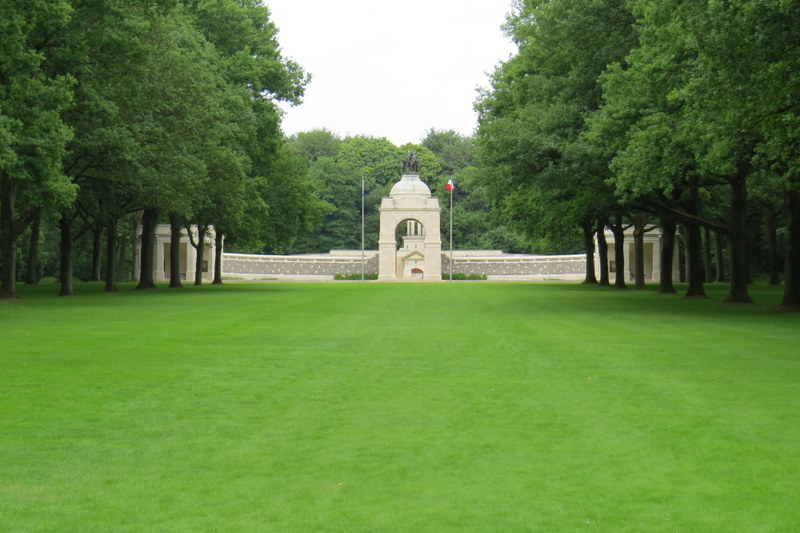
View toward the Delville Wood Memorial

View toward the Delville Wood Memorial

The most moving part of my day was the visit to Delville Wood where many South African soldiers lost their lives.  The memorial was built to commemorate them.  It was designed by Sir Herbert Baker. Above the arch is Alfred Turner’s sculpture of the mythical figures of Castor and Pollux who represent the English and Afrikaans language groups being united. The main inscriptions are in both English and Afrikaans as well as French.

IMG_9907

Above is a replica of the Castle of Good Hope in Cape Town. It was added as a museum in 1984.   Inside there are relief carvings of all the wars fought by South Africans; The Great War, The Second World War and The Korean War. Amongst the exhibits are references to the liberation struggle in South Africa.

Something we were never taught at school was the Tragedy of the SS Mendi. She was a troop ship fully laden with South African Native Labour Corps soldiers.   It was rammed in the English Channel at night during winter and sank.  The Reverend Dyobha exhorted the dying men with these words, “Be quiet and calm my countrymen for what is taking place now is what you came here to do. We are all going to die and that is what we came for.  Brothers, we are drilling the death drill. I a Zulu, say here and now that you are all my brothers, Xhosas, Swazis, Pondos, Basutu and all others, Let us die like warriors.  We are the sons of Africa.  Raise your war cries my brothers for  they made us leave our assegais back in the kraals. Our voices are left with our bodies.”

Most of these brave men drowned.   What a tragic end.

IMG_9928 The relief carving above depicts the desperation of the South Africans on the final day of The Battle of Delville Wood who tried to keep the Germans at bay.   Three thousand South Africans entered the wood on the 15 July 1916 and on 20 July only 131 answered the roll call.

Die Laaste Boom/The Last Tree

Die Laaste Boom/The Last Tree 

All the trees but one were blown to bits except for this Hornbeam, much damaged but still growing.  In the 1920s the wood was given to the South African Government as a permanent memorial and planted with oaks taken from Stellenbosch and Franschoek, towns settled by the French Huguenots in the 1600s who had brought oak seedlings with them from France.

Nicholas walking in one of the trenches

Nicholas walking in one of the trenches

Walking through the new Delville Wood is so peaceful and it is beautifully kept.  It is sobering to know that there are still bones of men blown to bits buried beneath the soil.

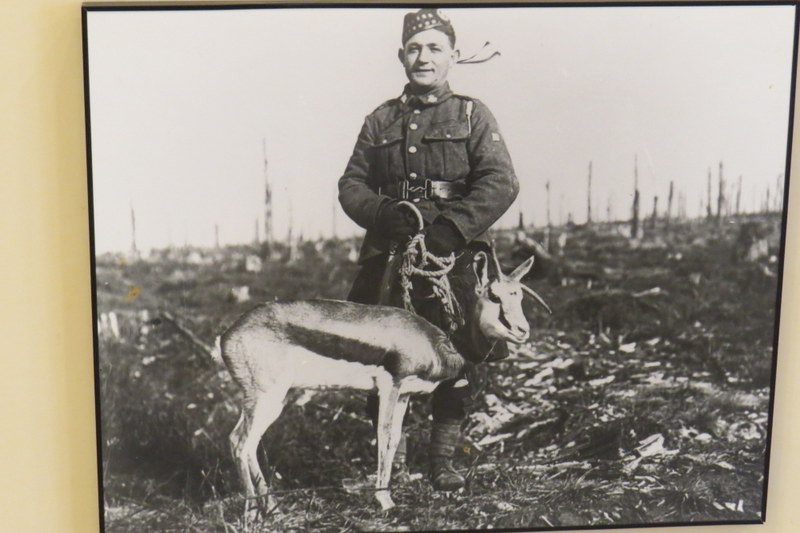
The South Africans had two mascots – Jacky the baboon and Nancy the Springbok

IMG_9932

IMG_9937

Nancy The Springbok

We went to look at the graves after a peaceful walk through the wood.   I was touched by a wreath placed on a fallen soldier’s grave. He was remembered by his grandson, great-grandson and great-great grandson who had clearly only recently found out about him.

IMG_9977

H Hodd will be remembered and never forgotten by his descendants

Our last visit of the day was to the Vis-En-Artois Memorial where our Great-Uncle Mark Kenney has his name inscribed on a memorial to the missing.

IMG_9984

Vis-En-Artois Memorial

Nicholas and I placed crosses below his name.

IMG_9993

IMG_9992

Unfortunately his name is quite high up and faded on the right at the top

On a lighter note.   I had commented to Nicholas that I thought we’d see rabbits or hares in France as I had once seen them coming into Charles de Gaulle Airport – Low and behold Nicholas spotted the most adorable hare hiding behind a gravestone.

IMG_9997

 A French Hare

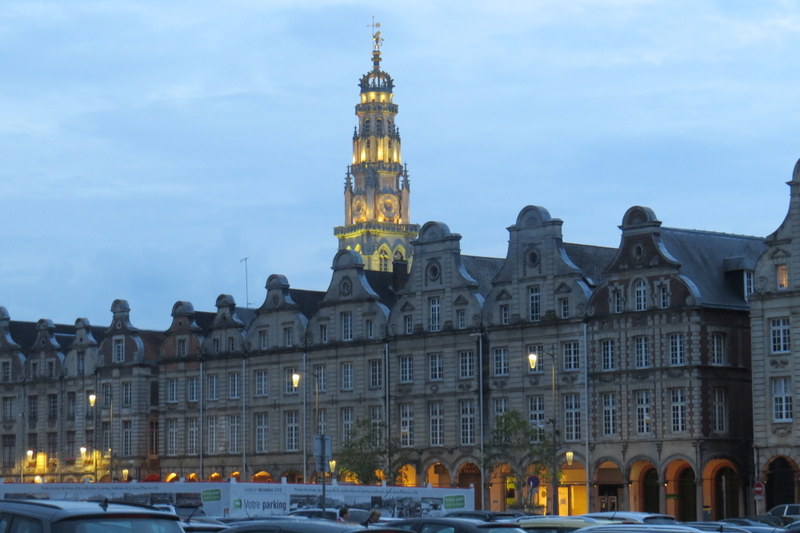
Later we went to La Grande Place in Arras and had a delicious French meal at a very expensive restaurant and ate unpronounceable food.   I know mine was Foie gras to start followed by Veal in a delicious mushroom sauce.

Le Rapier

Our Restaurant

Town Hall Tower

Hotel de Ville

The Town Hall tower was beautifully lit up.

I am not in France to see birds or wild life but the hare was special and the evening finished with this French Thrush posing nicely in the car park of our hotel.

A Thrush of some sort I think

A Thrush of some sort I think

0

An Adventure abroad – Ferry Crossing from Dover to Calais and The Battle of The Somme

We thought we might grab a few hours of sleep after entertaining yesterday but what with it being light till late we only ended up with a half hour catnap.  At midnight we were packed and ready to hit the road to Dover.   Nicholas being the super organised OCD brother that he is had the route set on the Satnav and snacks atnd drinks at the ready.  Just before we arrived at Dover an SMS alerted us that our Ferry had been cancelled!  Luckily we were in plenty of time and managed to book onto an earlier one.   BUT – at that time of the morning the club class lounge was closed!  Hopefully we’ll get a refund!

So we had to slum it in steerage!   Our closest travelling companions were a class of 42 twelve year olds on an educational tour to Germany!   We were impressed with their behaviour and the teacher was clearly pleased when we told her so!

Steerage

Steerage

Nick on board

Nick on board

I'm going to France!

I’m going to France!

The crossing took an hour an half to Calais and we were soon on our way to Arras.  Monday is not a good day to look for a breakfast place in France as nothing opens till 10. We had to settle for a Subway where we had coffee and a choc chip cookie.

La Grande Plas

La Grande Plas – Arras

We were not lucky with the weather today and in spite of it being 1 July we experienced low “Cape Winter” temperatures.

On 1 July 1916 at 07:28 The Battle of the Somme started on a Five Mile Front. The aim of the British Troops consisting mainly of soldiers of the 36 Ulster Division  was to break through the German lines and defeat the German army. It was also hoped that this attack would help the French army which had been under a strong German attack at Verdun. The first Battle of the Somme was the bloodiest and most costly unsuccessful Allied offensive on the Western Front during World War I. General Douglas Haig, the commander of the British troops was highly criticized because he carried on with the battle when 24,000 people had alredy died in one day!  The Battle ended on 13 November 1916.

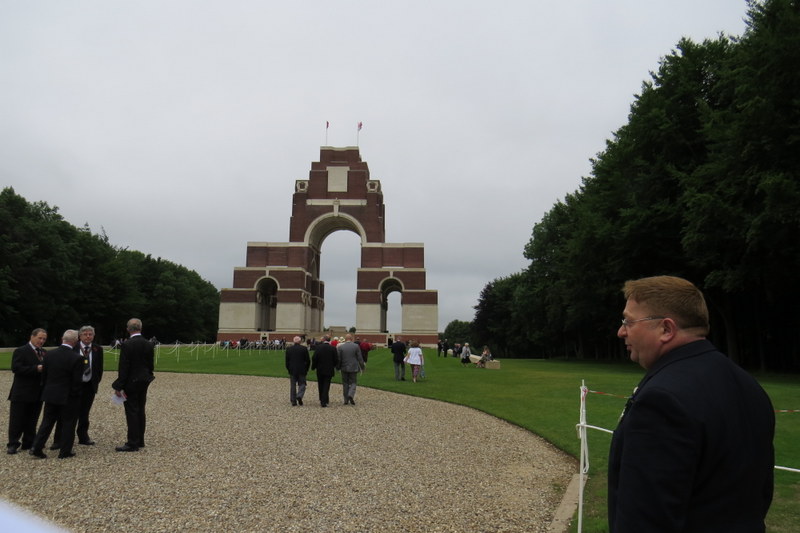
Today being the anniversary of the first day of this battle, Nicholas and I attended a commemoration ceremony at the Memorial in Thiepval. The Thiepval Memorial is the largest of the Memorials to the Missing.

The Thiepval Memorial

The Thiepval Memorial

Nicholas with and Irish Grandfather and his Grandson

Nicholas with Two Orangeman Ulster.  He had the honour of being allowed to wear  Grandpa’s sash!

I found the ceremony very moving.  War is an ugly affair and it’s horrifying to think how many battles were fought and how many people suffered during those times.

The Mayors of the French Villages wear these sashes

The Mayors of the French Villages wear these sashes

The La Tommy restaurant is the only eating place in the area - British food is served
The La Tommy restaurant is the only eating place in the area – British food is served

IMG_9789

Our Lunch - Passable

Our Lunch – Passable

Later we attended another commemoration service at the Ulster(Northern Ireland) Memorial Tower to remember the men of Northern Ireland who died at the Battle of The Somme.  It was lovely to see an Australian Lady dressed up in a nurse’s uniform from that time.

Australian Woman dressed in the nursing uniform of that period

Australian Woman dressed in the nursing uniform of that period

Wreathes were laid and Nicholas put down some Poppy Crosses for 2nd Lieutenant Reginald Lambert Lack,  Lieutenant Matthew John Wright and Lieutenant George Radcliffe who all survived the first day of The Battle of The Somme but on the second day Radcliffe who was Lack's brother in law got into difficulties in no man's land.  Lack and Wright to Radcliffes aid and all three were blown up.  Two were killed instantly Lack lasted 14 days.

Wreaths were laid and Nicholas put down some Poppy Crosses for 2nd Lieutenant Reginald Lambert Lack, Lieutenant Matthew John Wright and Lieutenant George Radcliffe who all survived the first day of The Battle of The Somme but on the second day Radcliffe who was Lack’s brother in law got into difficulties in no man’s land. Lack and Wright went to Radcliffes aid and all three were blown up. Two were killed instantly and Lack lasted 14 days. Radcliffe and Wright’s names are on the Thiepval Memorial but as Lack died on the hospital ship in Dover, he is buried in his home parish in Thames Ditton in Surrey. Nicholas has the portrait of Lack which he has  researched.  Through it he got to know his family.

Portrait of Reginald Lambert Lack

Portrait of Reginald Lambert Lack

It was 5 0’clock when we got to our hotel in Arras – The Balladin and we crashed for an hour.   We are now going out for a proper French meal!